The Practical Expat & Nomad Guide to South Korea
South Korea offers one of the world's most hyper-connected, safe, and culturally electric environments for remote professionals. With nationwide 10 Gbps fiber, ultra-fast 5G, flawless public transit, and the official F-1-D Workcation Visa, it is a premier Asian basecamp for high-earning tech founders, software developers, and creatives.
Here is the clear, practical roadmap: how to qualify under the 2x GNI income formula, how to conquer Korea's Bon-in Injeung identity verification system, navigating the mandatory Alien Registration Card (ARC), accessing universal public healthcare via NHIS, and realistic living budgets across Seoul's tech districts and coastal Busan.
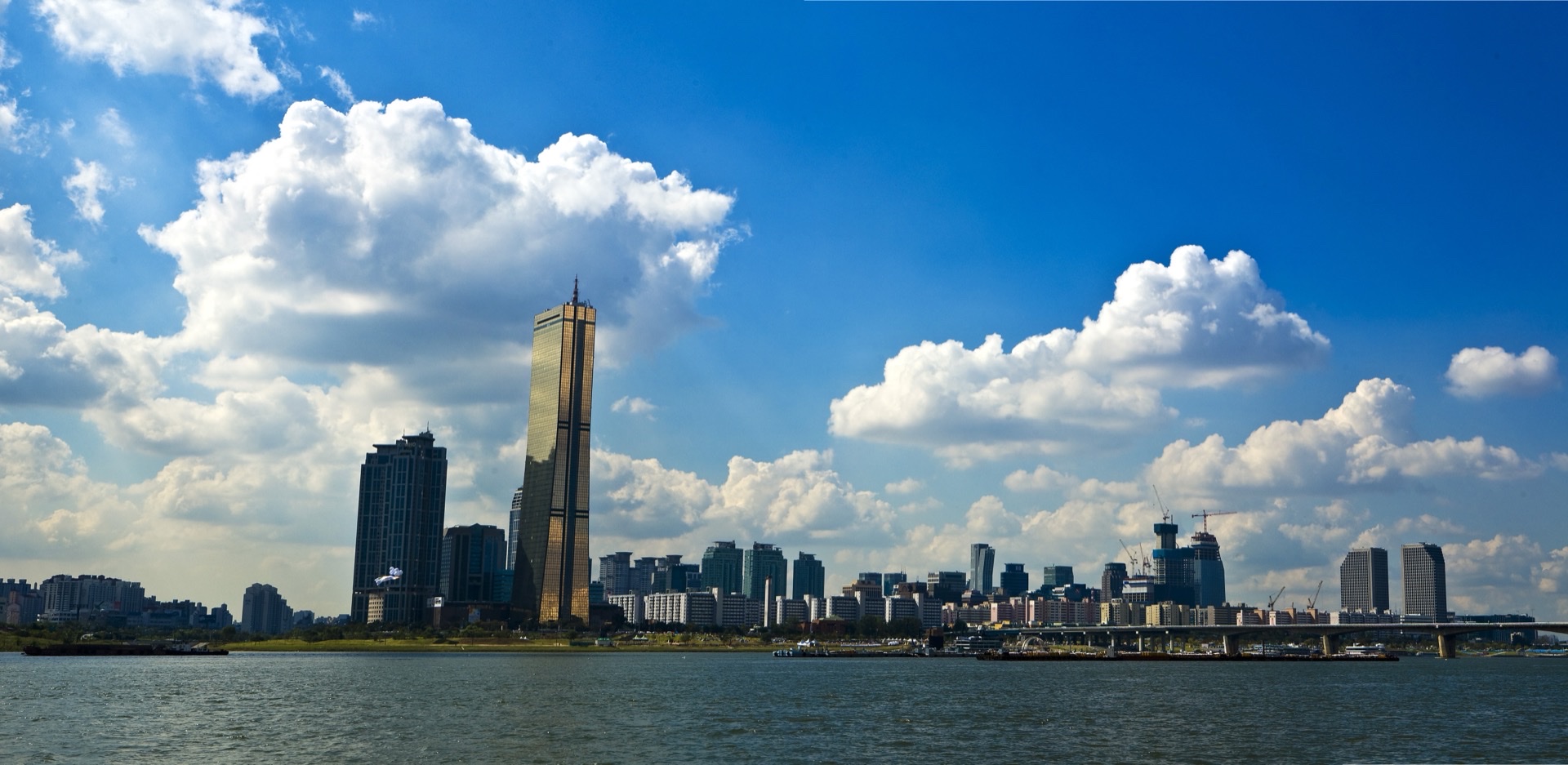
⚡ South Korea Workcation & Expat Setup at a Glance
Income Threshold
2x Korean GNI
~₩88M–₩90M KRW / year (~k–k USD / ~k–k CAD). Must show previous year tax returns and employment proof.
Visa Duration & Stay
1 Year (+1 Year Ext.)
F-1-D Workcation Visa grants 1 year, extendable in-country for an additional 12 months (2 years max continuous stay).
Digital Identity Card
ARC / Residence Card
Mandatory within 90 days. Unlocks real-name verification (Bon-in Injeung), local phone plans, Coupang, and banking.
Universal Healthcare
NHIS at Month 6
Mandatory national health insurance after 6 months (~₩150k KRW/mo). World-class hospitals and tiny co-pays.
1. Do You Qualify? (The 2x GNI Income Rule in Plain English)
South Korea's Ministry of Justice designed the F-1-D Workcation Visa specifically for high-income foreign remote workers and digital nomads. Unlike tourist visas, the F-1-D officially recognizes remote work performed for overseas employers while residing in Korea.
The Exact Requirements:
- The 2x GNI Income Threshold: You must prove an annual gross income exceeding double Korea's Gross National Income (GNI) per capita for the prior year. The Bank of Korea currently pegs 2x GNI at approximately ₩88,000,000 to ₩90,000,000 KRW (~$65,000 USD / ~$88,000 CAD / ~$5,500 USD per month).
- 1+ Year in Current Field: You must demonstrate at least one full year of continuous employment with an overseas company, or at least one year of consistent freelance contracts in the same professional industry.
- Private Medical Insurance: You must present an international travel health insurance policy with personal medical treatment and medical evacuation coverage of at least ₩100,000,000 KRW (~$75,000 USD).
- Clean Criminal Record: An Apostilled nationwide police clearance certificate (FBI background check for US citizens, RCMP certified check for Canadians) issued within the last 3 months.
- Family Accompaniment: Your legal spouse and minor children can accompany you on dependent F-1 family visas with simple proof of marriage and birth certificates.
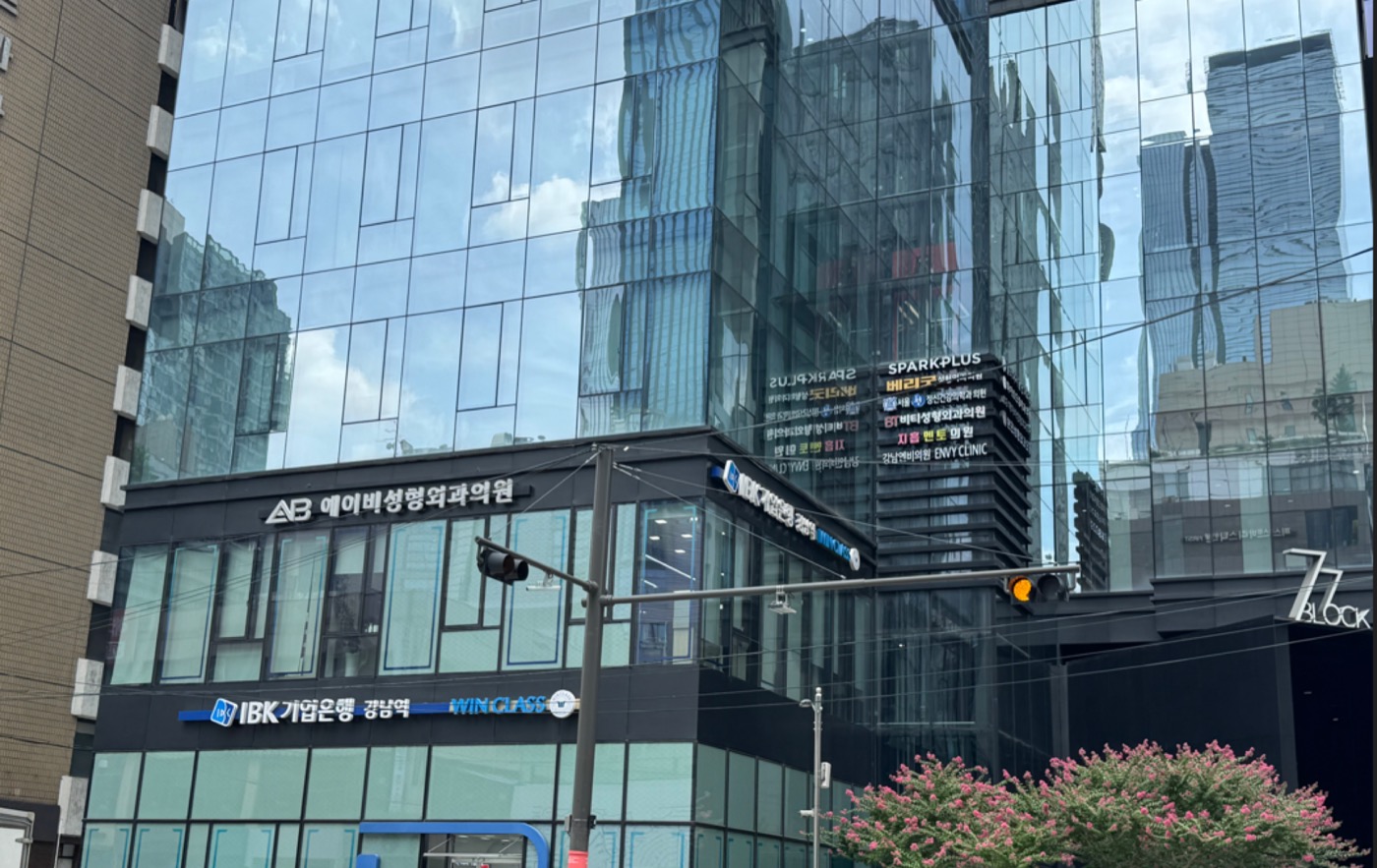
2. Step-by-Step Action Plan: Embassy, ARC & Settling in Korea
Moving to South Korea requires careful preparation because on-the-ground life heavily depends on government-issued identity credentials:
Phase 1: Month -2 to -1 — Paperwork & Korean Embassy Application
Submit your F-1-D application at the Korean Embassy, Consulate General, or Korea Visa Application Center (KVAC) in your home country:
- Required Documents: Valid passport, visa application form, Certificate of Employment / client contracts, official Income Certificate (e.g., CRA Notice of Assessment, IRS 1040, or W-2), Apostilled criminal background check, bank balance statements, and health insurance certificate showing ₩100M KRW coverage.
- Fee: ~$40 to $80 USD depending on nationality.
- Expected wait time: 10 to 20 business days for consular review and issuance of your digital Visa Grant Notice.
- Meanwhile, do this:
- Download KakaoMap and Naver Map. Due to South Korean national security laws regarding geographic spatial data, Google Maps does not provide walking or driving turn-by-turn directions in Korea.
- Download Papago (Naver's neural translation app). It translates Korean food menus, signs, and spoken Korean far more accurately than Google Translate.
Phase 2: Month 0 — Landing & The First 14 Days
Land at Incheon International Airport (ICN) or Gimhae Airport in Busan. Present your passport and F-1-D Visa Grant Notice to clear immigration.
- Initial SIM & Transit: Buy a 30-day prepaid tourist eSIM (e.g. KT or Chingu Mobile) at airport arrivals. Buy a T-Money transit card at any CU or GS25 convenience store and load it with ₩30,000 KRW cash for immediate subway and bus rides.
- Where to stay initially: Book a 3-to-4 week stay in a modern studio coliving space (such as Episode, Commontown, or Local Stitch) in Mapo, Seongsu, Gangnam, or Busan's Haeundae.
- Book your Immigration Slot immediately: Visit hikorea.go.kr on your first night to reserve your in-person Alien Registration appointment. Slots at Seoul immigration offices often book out 3 to 4 weeks in advance!
Phase 3: Month 1 — The ARC Appointment & Bon-in Injeung Setup
Attend your appointment at your jurisdictional Immigration Office (e.g., Seoul Immigration Office in Mok-dong, Seoul Southern in Yangcheon, or Busan Immigration Office).
- What to bring: Passport, 1 passport-size color photo (3.5cm x 4.5cm with white background), Proof of Residence in Korea (signed lease or Confirmation of Residence / *Geoju Suksik Hwag-in-seo* provided by your landlord), and ₩35,000 KRW application fee.
- Process: The officer captures your digital fingerprints and confirms your registered Korean address.
- Expected wait time: 3 to 5 weeks for your physical Alien Registration Card (ARC) to be delivered by registered mail or picked up at the counter.
- Meanwhile, do this (The Magic Step):
- As soon as you hold your physical ARC card, go to an official KT, SK Telecom, or LG U+ agency. Convert your temporary prepaid SIM to an ARC-registered postpaid mobile plan.
- The Name Golden Rule: Ensure the telecom spells your name EXACTLY as printed on your ARC card (all caps, matching order, including middle names).
- This instantly activates Bon-in Injeung (본인인증)—the national identity verification system. You can now open a bank account at Hana Bank or Woori Bank, sign up for Coupang Rocket Delivery, order late-night food on Baedal Minjok, and pay using KakaoPay!
Phase 4: Month 6 and Beyond — Universal Health Insurance & Extension
Living long-term in Korea is deeply convenient once the foundational infrastructure is established:
- Automatic NHIS Enrollment: On day 181 of continuous stay, the National Health Insurance Service (국민건강보험) automatically enrolls you. An insurance card and payment voucher arrive in your mailbox. Pay the ~₩150,000 KRW monthly premium via auto-debit or bank transfer to access subsidized healthcare nationwide.
- Extending for Year 2: Two months before your first year expires, reserve an extension slot on HiKorea. Bring your updated foreign income tax returns and bank statements proving you still meet the 2x GNI threshold to receive your 1-year visa extension stamp.
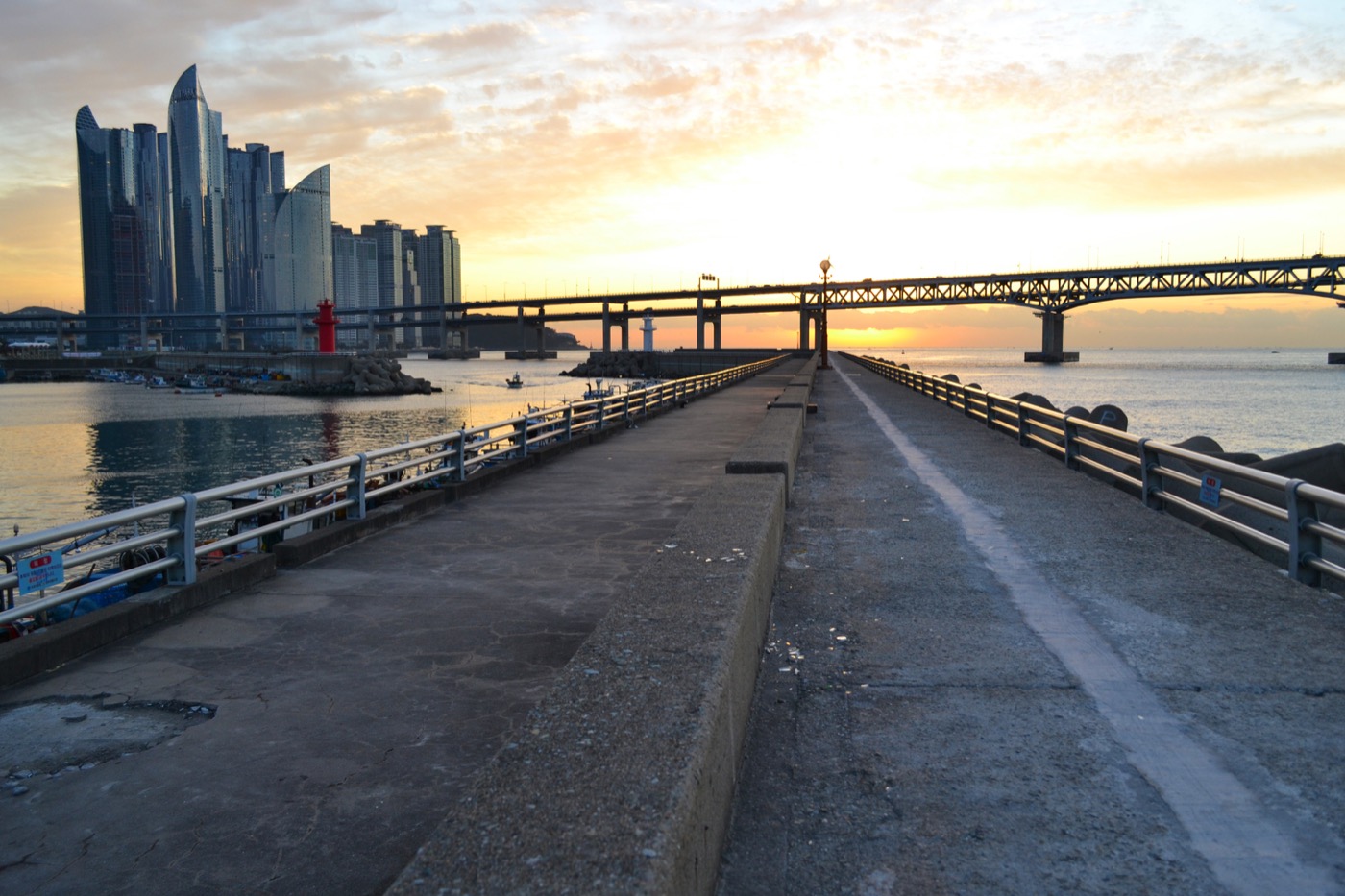
3. Korean Taxes in Plain English: The 5-Year Remittance Rule
One of the biggest concerns for remote workers moving to South Korea is whether the National Tax Service (NTS / 국세청) will tax their overseas salary.
Under Article 3 of the Korean Income Tax Act, South Korea offers significant statutory tax protection for foreign newcomers:
🏛️ The 5-Year Non-Permanent Resident Rule
A foreign resident who has had a domicile or residence in Korea for 5 years or less out of the past 10 years is taxed on foreign-sourced income ONLY to the extent that such income is paid in Korea or remitted into Korea.
What this means in real life:
- Foreign earnings staying abroad: Money you earn from an overseas employer or overseas clients deposited into your foreign bank account (e.g. in the US, Canada, or UK) is NOT subject to Korean income tax, as long as it remains outside Korea.
- Covering Korean living expenses: Only funds you actually remit to a Korean bank account or spend via Korean cards are assessed. To maintain clean accounting, keep your major savings offshore and wire only your needed monthly living expenses to Korea.
- No local employment permitted: F-1-D visa holders are strictly prohibited from taking domestic jobs with Korean companies or billing local Korean domestic clients.
4. Where to Live: Seoul (Gangnam vs. Hongdae) vs. Coastal Busan
South Korea offers two radically different environments: the 24-hour hyper-urban intensity of Seoul, and the laid-back beachside startup culture of Busan. Here is a realistic monthly cost breakdown:
| Monthly Cost (KRW / USD) | Seoul (Gangnam / Yeoksam) | Seoul (Hongdae / Mapo / Seongsu) | Busan (Haeundae / Gwangalli) |
|---|---|---|---|
| Studio / 1BR Officetel Rent | ₩1,200k – ₩1,800k | ₩800k – ₩1,300k | ₩550k – ₩950k |
| Building Maintenance (Gwallibi) | ₩150k – ₩250k | ₩120k – ₩180k | ₩100k – ₩160k |
| High-Speed Gigabit Fiber & 5G | ₩60k – ₩90k | ₩60k – ₩90k | ₩50k – ₩80k |
| Groceries & Daily Markets | ₩450k – ₩650k | ₩380k – ₩550k | ₩320k – ₩480k |
| Dining Out & Specialty Cafes | ₩600k – ₩1,000k | ₩450k – ₩750k | ₩350k – ₩600k |
| Subway & Bus Transit (T-Money) | ₩70k – ₩110k | ₩70k – ₩110k | ₩60k – ₩90k |
| NHIS Health Insurance (Month 6+) | ₩150k | ₩150k | ₩150k |
| Total Monthly Burn (KRW) | ₩2,680k – ₩4,050k | ₩2,030k – ₩3,130k | ₩1,580k – ₩2,510k |
| Total Monthly Burn (USD) | ~$2,000 – $3,020 USD | ~$1,510 – $2,340 USD | ~$1,180 – $1,870 USD |
💡 The Korean Housing Deposit Reality (Jeonse vs. Wolse)
Traditional Korean rentals (*Wolse*) require a significant security deposit (*Bojung-geum*), typically ₩5,000,000 to ₩10,000,000 KRW (~$3,800–$7,500 USD) for an officetel, which is returned in full upon move-out. For remote workers wanting maximum flexibility without locking up capital, modern short-to-medium term coliving spaces (such as Episode, Local Stitch, and Mangrove) offer fully furnished studios with flexible 1-to-12 month contracts and small deposits (₩1M–₩3M KRW).
Frequently Asked Questions (FAQ)
Can I apply for the F-1-D Workcation Visa while inside South Korea on a tourist stamp?
Yes. The Ministry of Justice permits foreign nationals currently staying in Korea on visa-free tourist entry (B-1/B-2) to change their status of stay to F-1-D in-country at their local immigration office, provided all Apostilled background checks, income verifications, and insurance documents are in order.
How fast is internet and 5G in South Korea?
South Korea consistently ranks near the top of global internet speed indexes. Standard home fiber connections easily hit 500 Mbps to 1 Gbps with near-zero latency, while mobile 5G speeds nationwide regularly average between 300 and 800 Mbps, even inside subway tunnels and high-speed KTX trains.
Can I use Coupang and delivery apps with an international credit card?
Generally, no. Domestic Korean e-commerce platforms like Coupang Rocket Delivery and Baedal Minjok require real-name mobile verification (Bon-in Injeung) linked to an ARC card, along with a domestic Korean bank card or KakaoPay account. Shuttle Delivery is an English delivery alternative that accepts foreign cards before your ARC is issued.
🛡️ Verified Primary Sources & Official Repositories
🇰🇷 Official Republic of Korea AuthoritiesAll F-1-D visa criteria, Alien Registration procedures, tax codes, and health insurance statutes are verified with official authorities of the Republic of Korea:
National ministry overseeing immigration policy, F-1-D Workcation guidelines, and foreign residency regulations.
Visit MOJ Portal ↗Official e-Government portal for immigration office visit reservations, ARC applications, and stay extensions.
Visit HiKorea ↗Administers statutory public health insurance coverage, foreign resident enrollment, and regional contributions.
Visit NHIS Portal ↗Enforces Article 3 of the Income Tax Act (5-year non-permanent resident foreign income remittance rules).
Visit NTS Portal ↗🔗 Related Destination & Strategy Playbooks
Explore interconnected legal, healthcare, and tax frameworks across our East Asian and global network:
Japan Nomad & Startup Playbook
Fukuoka Startup Visa, 6-month Nomad Visa, and non-permanent resident tax exemptions.
Taiwan Gold Card Playbook
Employment Gold Card (NTk salary), 50% tax relief, and tech startup grants.
Inpatriate Healthcare Traps
Provincial health cancellations (OHIP/MSP) and international medical evacuation rules.
Expat Phone & 2FA Setup
Keep Canadian/US bank 2FA SMS and government logins active while living abroad.

Written by Kevin Jaewoong Jeong
Founder of Jeong Inc. Researches cross-border residency frameworks, sovereign relocation, and East Asian technology corridors.