Expat Health Insurance vs. Travel Medical: The Plain-English Guide to Coverage Traps

One of the most dangerous mistakes remote workers and expats make is assuming that cheap travel insurance will protect them while living abroad. When you stay outside your home country for more than five to six months, your government healthcare quietly lapses—and with it, standard travel policies can become completely void. Here is what you need to know about true expat health insurance, hospital direct billing, and how to protect yourself worldwide.
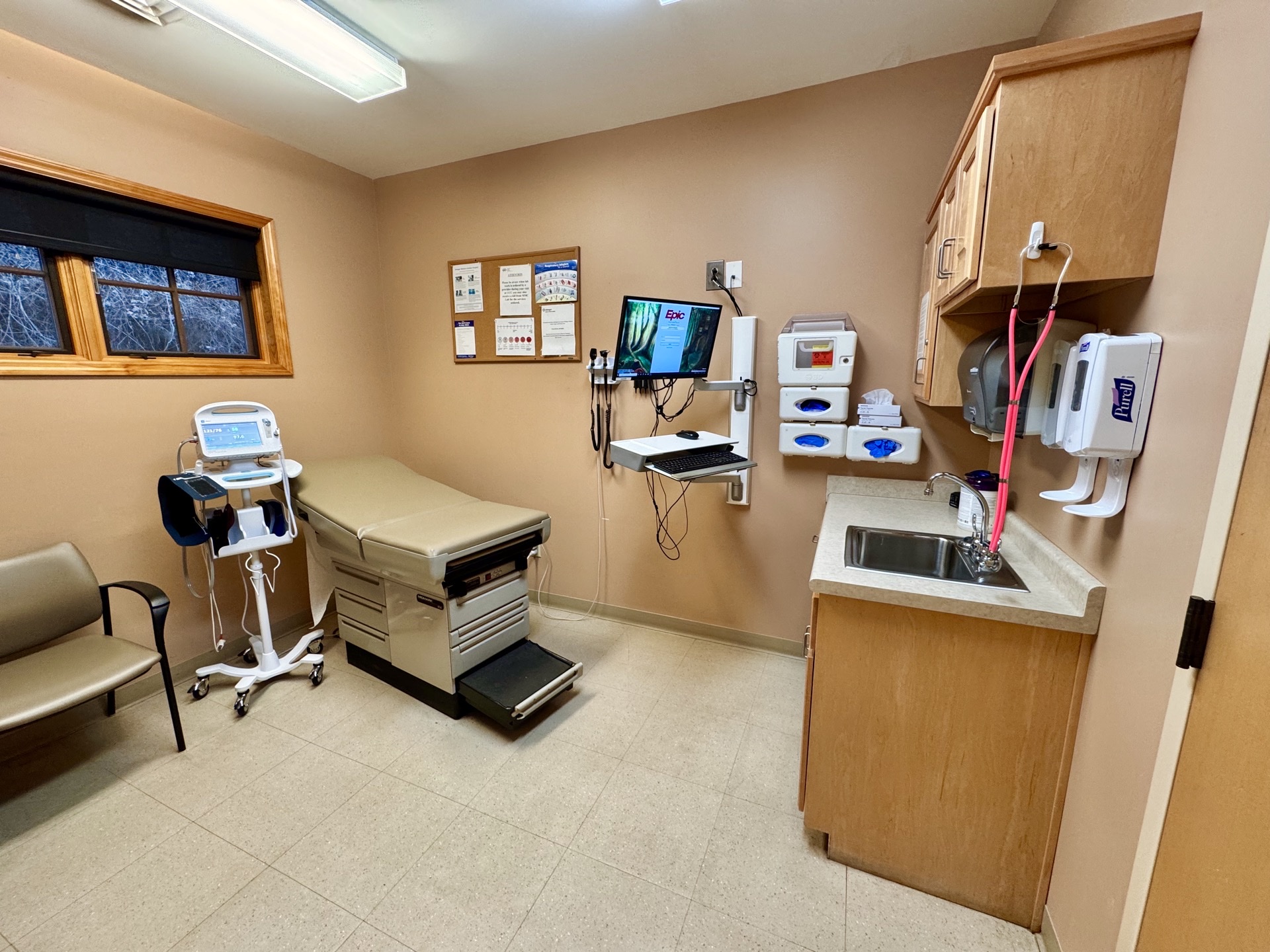
⚡ Medical Insurance Rules You Must Know
- Travel Medical Insurance (e.g. SafetyWing): Great for short trips and backpackers (–/mo). It only covers sudden accidents and acute illnesses—not regular doctor visits, prescriptions, pre-existing conditions, or cancer treatments.
- The Provincial Lapse Trap: If you are from Canada (OHIP, MSP, AHCIP) or countries with public health, being away for >153 to 183 days cancels your public coverage. Standard travel policies usually have fine print stating: "This policy is void if you do not have active government health insurance."
- True Expat Health Insurance (IPMI): Comprehensive primary coverage (Cigna Global, Allianz Care, Bupa) valid anywhere in the world. Costs –/mo and functions independently of your home country's healthcare system.
- The $5,000 Hospital Deposit Trap: Elite international hospitals in Bangkok, Tokyo, Singapore, and Madrid will demand a $3,000 to $5,000 credit card deposit at the door unless your insurer issues an immediate Letter of Guarantee (LOG).
- Emergency Medical Evacuation: If you suffer a severe accident in Bali or rural Thailand, an emergency medical air ambulance to Singapore costs over $100,000 USD. Your policy must have at least $50,000 to $100,000 in dedicated evacuation coverage.
1. The Three Tiers of Coverage Explained in Plain English
Brokers and comparison websites often use confusing jargon to blur the lines between different types of medical coverage. In reality, there are only three distinct categories:
| Feature | Tier 1: Travel Medical (e.g. SafetyWing) | Tier 2: Inbound / Visitor Policies | Tier 3: True Expat Health (IPMI) |
|---|---|---|---|
| Typical Monthly Cost | ~$45 to $85 USD/mo | ~$60 to $120 USD/mo | ~$150 to $350 USD/mo |
| What It Covers | Sudden emergencies, broken bones, food poisoning, emergency dental | Emergency treatment inside one specific host country | Full Primary Healthcare: Inpatient surgery, outpatient specialists, cancer care, ongoing prescriptions, mental health |
| Home Country Health Needed? | Yes (in most policies) | No (restricted to host country) | No. Fully standalone worldwide |
| Hospital Direct Billing | Pay and claim reimbursement (weeks to months) | Limited local clinic networks | Cashless direct billing via Letter of Guarantee (LOG) |
| Best For | Nomads traveling for 1–3 months | Short visits or specific visa mandates | Long-term expats, remote founders, families |
2. The Provincial Health Lapse Trap (OHIP, MSP, AHCIP)
If you are Canadian, British (NHS), or from any country with state healthcare, this is the single most critical legal fact you must understand:
🚨 Why Your Travel Insurance Might Be Legally Void
Most public health programs require you to physically reside in your province for at least 153 days (in Ontario / OHIP) or 183 days (in British Columbia / MSP and Alberta / AHCIP) in any 12-month period.
If you stay abroad longer than that window, your provincial healthcare lapses. Almost every standard travel insurance policy sold by Canadian banks or insurers contains a condition precedent clause: "You must be covered by a provincial government health insurance plan at the time of your claim."
If you get into a major scooter accident or suffer an illness on Day 190, the travel insurer will verify your provincial status with the ministry of health. When they see your provincial coverage has lapsed, they will legally deny your entire claim, leaving you on the hook for hundreds of thousands of dollars.

3. Hospital Direct Billing vs. The $5,000 Emergency Room Hold
When you fall ill in major expat destinations like Bangkok (Bumrungrad, Samitivej), Tokyo (St. Luke's), Singapore (Mount Elizabeth), or Madrid (HM Hospitales), hospitals operate differently than back home:
- Without Direct Billing (Pay-and-Claim): The hospital emergency room reception will ask for your credit card. Before admitting you for emergency surgery, an overnight stay, or an MRI, they will place a credit card hold of $3,000 to $5,000 USD. If your credit limit cannot clear the hold, they may refuse non-life-threatening admission or transfer you to an overcrowded public facility. You then have to pay the entire bill yourself and submit receipts for reimbursement, waiting months for approval.
- With Direct Billing (Letter of Guarantee): A true expat insurer (such as Cigna Global, Allianz Care, or Bupa Global) has direct-billing agreements with thousands of private hospitals. When you show your digital policy card at admission, the hospital contacts the insurer's 24/7 coordination desk. The insurer immediately issues a Letter of Guarantee (LOG) agreeing to pay all eligible medical expenses directly to the hospital. You pay zero out of pocket at checkout (except any deductible you chose).
4. Step-by-Step Action Plan: How to Set Up Your Coverage
Setting up proper healthcare before moving or traveling long-term requires a clear, chronological sequence:
Phase 1: Audit Your Travel Duration & Day Counts
Step 1Calculate exactly how many days you will be outside your home province or home country over the next 12 months.
- Under 90 to 120 Days: Standard travel medical insurance (SafetyWing Nomad Insurance, World Nomads) is adequate as long as your provincial health card remains active.
- Over 150 Days: You are entering the lapse danger zone. You MUST purchase a standalone International Private Medical Insurance (IPMI) policy (Cigna Global, Allianz Care, or Bupa Global) that does not require home-country public health.
Phase 2: Apply for Standalone Expat Health Insurance
Wait Time: 3 to 7 DaysSelect your coverage area (Worldwide excluding USA is 40% to 50% cheaper than Worldwide including USA). Fill out the medical health questionnaire online.
- Get 90-day medication supplies: Visit your family doctor to get written prescription refills and a medical summary letter explaining any regular medications.
- Digital health records: Scan your immunization records, past surgery notes, and allergy lists into secure cloud storage.
- Save emergency assistance hotlines: Add your insurer's international toll-free numbers and collect-call lines into your smartphone contacts under "Emergency Insurance".
- Download mobile cards: Save the insurer's digital membership card to Apple Wallet or Google Wallet so it is accessible offline.
Phase 3: What to Do in a Real Medical Emergency Abroad
Emergency ProtocolIf you or a family member is admitted to a clinic or hospital overseas, execute this sequence:
- Life-Threatening Emergency: Go directly to the nearest top-tier private hospital emergency room. Medical stabilization always comes first.
- Show Your Membership Card: Present your digital or physical insurance card at the admissions desk. Point out the policy number and direct-billing partner logo.
- Notify the 24/7 Hotline: Call your insurer's medical assistance desk within 24 to 48 hours of admission. Give them the hospital name, attending physician, and admission ward.
- Request a Letter of Guarantee (LOG): The assistance team liaises directly with the hospital financial office to issue the LOG. All covered expenses will be billed directly to the insurer.
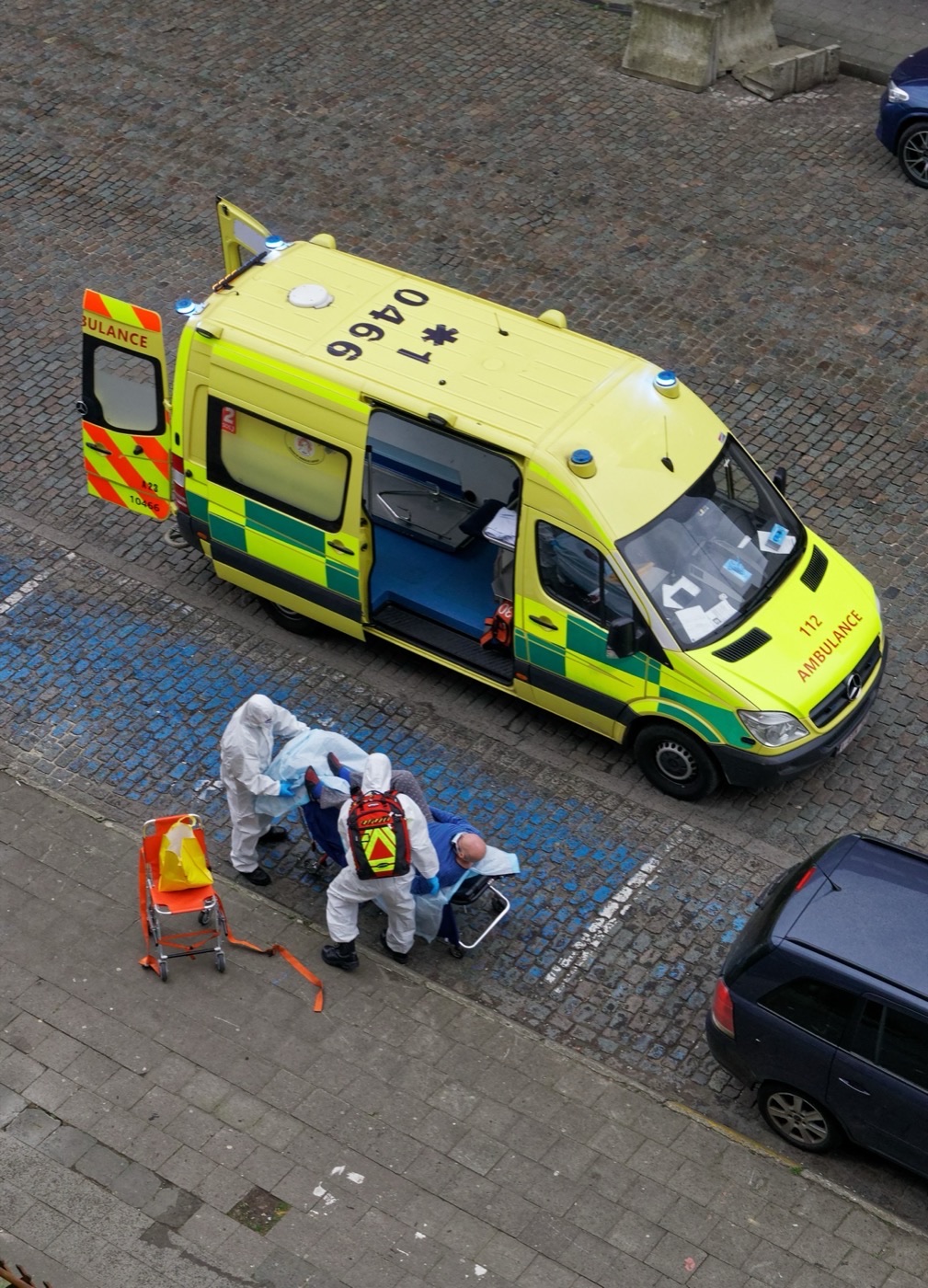
5. Provider Comparison: Costs, Networks & Coverage Limits
Here is an honest breakdown of the leading international healthcare providers for remote workers and expats:
| Provider & Plan | Monthly Cost (Age 30–35) | Annual Max Limit | Direct Billing | Evacuation Limit | Primary Assessment |
|---|---|---|---|---|---|
| SafetyWing Nomad Insurance | ~$45 USD / mo | $250,000 USD | Pay & Claim (Rare direct) | $100,000 USD | Best for budget nomads on short trips. Excludes routine care & pre-existing conditions. |
| Cigna Global (Silver Plan) | ~$160 to $280 USD / mo | $1,000,000 USD | Worldwide direct billing | Unlimited / Included | Gold standard for long-term expats. Full hospital coverage, cancer care, and surgery anywhere. |
| Allianz Care (Care Plan) | ~$150 to $260 USD / mo | €900,000 EUR (~$1M USD) | Excellent European & Asian network | Fully covered | Very strong across Europe and Southeast Asia with fast digital claim settlements. |
| Bupa Global (Major Medical) | ~$250 to $450 USD / mo | Unlimited / Uncapped | Premier direct billing VIP desk | Uncapped | Premium tier for executives and founders requiring concierge medical care worldwide. |
Frequently Asked Questions (FAQ)
What happens if I get sick in a country without an active visa?
True expat health insurance policies (like Cigna Global or Allianz Care) cover your medical treatment regardless of your visa status, as long as you are residing within your selected geographic area of coverage. However, violating local laws or participating in illegal activities can void specific claims.
Can I add US coverage if I need to visit America?
Yes. Most international insurers offer "Worldwide Excluding USA" (which saves ~50% on premiums) but include temporary emergency coverage in the United States for up to 30 to 60 days per year. If you plan to spend significant time in the US, you can upgrade to full "Worldwide Including USA" coverage.
How are pre-existing conditions handled?
Unlike travel insurance (which almost universally excludes pre-existing conditions), international private medical insurance (IPMI) offers two underwriting options: Full Medical Underwriting (FMU), where you declare your medical history and the insurer may cover them for an additional premium or specific exclusion; or Moratorium Underwriting, where conditions you have had in the past 24–60 months can become covered after 2 continuous symptom-free years on the policy.
What is a Letter of Guarantee (LOG)?
A Letter of Guarantee is an official legal commitment sent directly from your insurance company to a hospital billing department, guaranteeing that the insurer will pay the hospital directly for your scheduled or emergency treatment. This allows you to receive treatment without paying out of pocket.
🛡️ Verified Primary Sources & Official Repositories
Official Health AuthoritiesAll provincial absence thresholds, international direct-billing rules, and evacuation protocols are verified against statutory healthcare regulations:
Statutory regulations governing OHIP residency requirements, 153-day physical presence thresholds, and extended absence permissions.
Visit OHIP Portal ↗British Columbia statutory rules requiring 183 days of physical residency per calendar year to maintain active provincial healthcare.
Visit BC MSP ↗Worldwide hospital network directory and Letter of Guarantee (LOG) emergency protocol documentation for international expatriates.
Visit Cigna Global ↗Glossary & Terminology Index
Comprehensive primary health insurance designed for people living outside their home country, covering full inpatient, outpatient, and specialist care independently of national healthcare systems.
An official guarantee sent by an insurer to a hospital confirming that covered treatment costs will be paid directly by the insurer, eliminating out-of-pocket patient deposits.
Transportation by air ambulance with medical escort from an area with inadequate medical care to the nearest international standard hospital hub (e.g. from Bali to Singapore).
A contractual clause in standard travel policies requiring an active government public health plan (like OHIP or MSP). If your public plan has lapsed, the travel policy becomes legally void.
🔗 Related Destination & Strategy Playbooks
Explore interconnected legal, healthcare, and tax frameworks across our global network:
Taiwan Employment Gold Card
Day 1 universal NHI enrollment with to USD co-pays and world-class care.
Malaysia DE Rantau Nomad Pass
2-year nomad pass, 0% tax on foreign salary, and world-class private hospitals.
Thailand DTV Visa Guide
5-year multiple-entry Destination Thailand Visa and Bangkok medical hubs.
Expat Phone & 2FA Setup
Dual-SIM and VoIP routing for receiving bank SMS and 2FA authentication worldwide.