The Expat & Digital Nomad Guide to the Philippines
The Philippines is one of the most accessible, English-friendly, and flexible home bases in the world for digital nomads, remote founders, and retirees. Unlike neighboring countries that force you into exhausting 90-day visa runs, the Philippine government legally permits non-visa-required tourists to stay continuously for up to 36 consecutive months (3 full years).
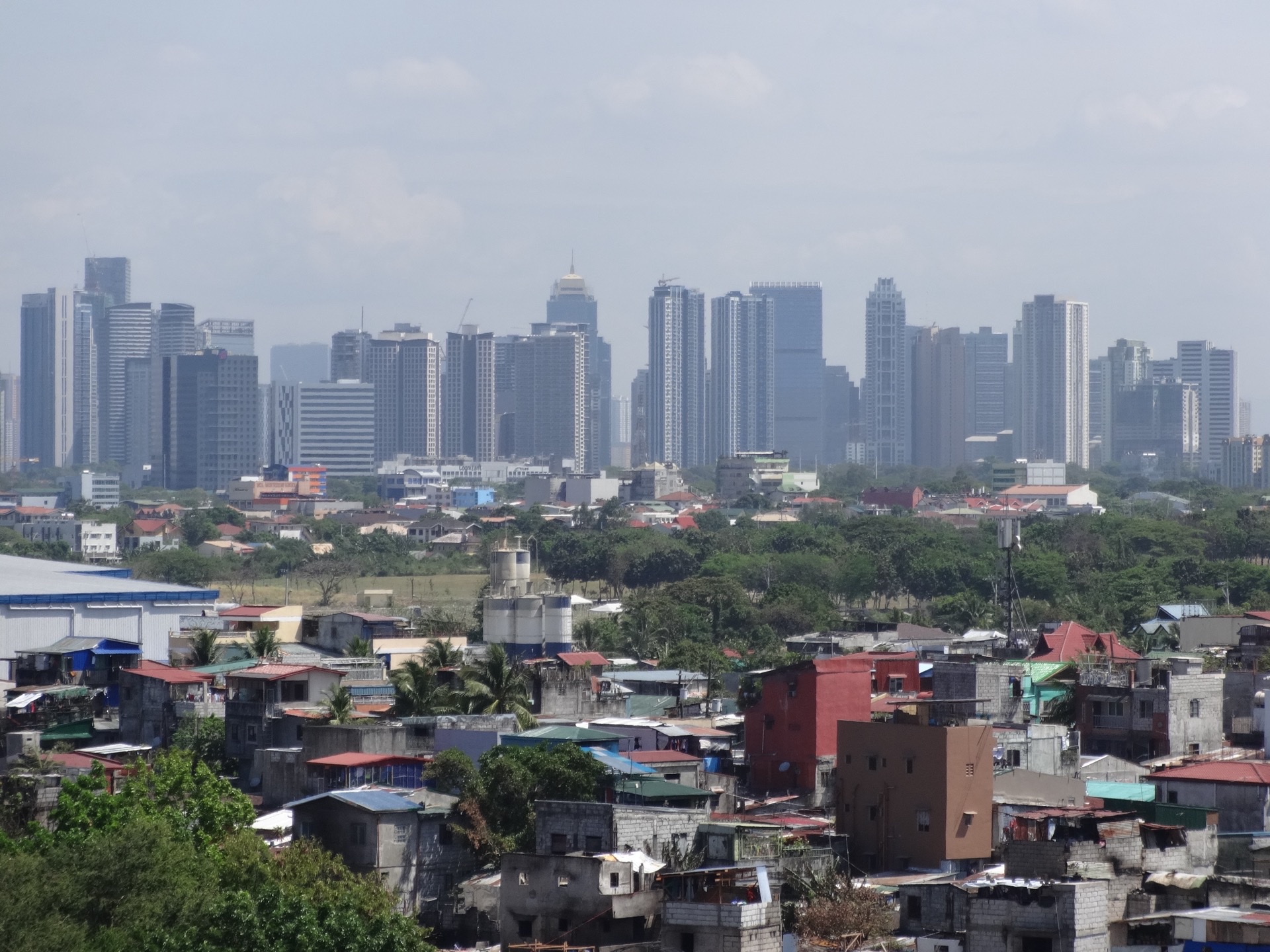
This guide cuts through the bureaucratic noise to deliver a practical, human-first roadmap: how the 36-month extension framework works, how to get your mandatory ACR I-Card ID, how the territorial tax system protects your overseas income, and real-world cost comparisons between modern high-rise living in Bonifacio Global City (BGC), tech-focused Cebu IT Park, and relaxed tropical islands.
⚡ Philippines Expat & Nomad Setup at a Glance
Maximum Tourist Stay
36 Months
No border runs needed. Continuous 1, 2, or 6-month extensions via Bureau of Immigration field offices or online e-Services.
Foreign Income Tax
0% on Remote Work
Territorial taxation under Section 23 NIRC: You only pay tax on money earned inside the Philippines.
Mandatory Identity Card
ACR I-Card
Mandatory after 59 days (~$50 USD). Unlocks local Philippine bank accounts and residential lease contracts.
Monthly Living Burn
$950 – $2,200 USD
$950 to $1,500/mo in Cebu IT Park; $1,600 to $2,400/mo in high-end BGC Manila for modern luxury condo living.
1. How the 36-Month Stay Works (In Plain English)
Most countries treat tourists with suspicion if they stay longer than 90 days. The Philippines takes the opposite approach: under Executive Order No. 408 and Bureau of Immigration Operations Order No. SBM-2014-038, passport holders from 157 countries (including Canada, the United States, the UK, Australia, and EU countries) can stay in the country for up to 3 years continuously without leaving.
You do not need to register a local company, invest tens of thousands of dollars, or hire shady visa agents. You simply extend your stay on a rolling basis:
- Initial Stamp (Day 1 to 30): When you land at the airport, immigration officers stamp your passport with a free 30-day entry waiver.
- First Extension (Day 30 to 59): Before your initial 30 days expire, apply for a 29-day extension. This brings your total stay to 59 days. Fee: ~₱3,030 PHP (~$55 USD).
- ACR I-Card & Long-Stay Extensions (Day 59 onwards): At Day 59, you receive your mandatory Alien Certificate of Registration (ACR I-Card). From this point forward, you can renew your stay in chunks of 1 month, 2 months, or 6 months (LSVVE) at a time.
- The 36-Month Cap & Reset: Once you reach 36 months, you simply take a quick weekend holiday to a nearby hub like Taiwan, Hong Kong, or Malaysia, fly back, and the 36-month clock resets completely.
⚠️ Critical Rule: The 6-Month Exit Clearance (ECC-A)
If you stay in the Philippines continuously for more than 6 months, you cannot simply head to the airport and board your flight home. You must first obtain an Emigration Clearance Certificate (ECC-A) at a Bureau of Immigration office 3 to 7 business days before departure. The ECC confirms that you have no pending court cases or unresolved local debts. If you turn up at airport immigration without this paper after a 6-month stay, you will be turned away and miss your flight.
2. Step-by-Step Action Plan: What to Do, Where to Go & Next Steps
Relocating should not feel like an endless maze. Here is your chronological, phased roadmap for moving to and settling in the Philippines smoothly:
Phase 1: Arrival & First 30 Days (Landing Smoothly)
Before you fly: Make sure your passport has at least 6 months of validity remaining. You must have an outward ticket leaving the Philippines within 30 days (airlines strictly check this before letting you board; use a verifiable onward flight service or a refundable ticket). Within 72 hours of your flight, fill out the free online health and immigration declaration at etravel.gov.ph and save the generated QR code to your phone.
- Where to go: Manila (NAIA) or Cebu (MCIA). Walk up to the immigration counter, present your passport and eTravel QR code, and receive your 30-day visa-free stamp.
- Expected wait time: 15 to 30 minutes at airport passport control.
- Meanwhile, do this:
- Buy an eSIM or physical SIM card from Smart or Globe right at the airport or online. Register it with your passport in accordance with the Philippine SIM Registration Act.
- Download the Grab app for ride-hailing and food delivery. It eliminates taxi meter scams entirely.
- Book a 2- to 3-week Airbnb in your target neighborhood (e.g., BGC, Makati, or Cebu IT Park) so you can tour long-term condo rentals in person.
Phase 2: Day 20 to 25 — Your First Visa Extension (29-Day Waiver)
Never wait until the final day of your 30-day stamp. Around Day 20 to 25, submit your first 29-day extension to take your legal stay up to Day 59.
- Where to go: You can apply online via the Bureau of Immigration e-Services portal (eservices.immigration.gov.ph) or walk into any BI field office (such as SM Aura Satellite Office in BGC, Robinson's Galleria in Cebu, or the main office in Intramuros Manila).
- What you need: Your original passport, your completed application form (available at the counter), and the application fee (~₱3,030 PHP / ~$55 USD).
- Expected wait time: 1 to 2 hours for in-person walk-ins; 1 to 3 business days for online processing.
- Meanwhile, do this:
- Finalize your long-term apartment lease. Standard Philippine leases run for 6 to 12 months, with landlords requiring 2 months of advance rent and 2 months of security deposit.
- Request a notarized lease agreement and a copy of the landlord's government ID—you will need these for banking and immigration address records.
Phase 3: Day 50 to 55 — The Long Stay Extension & ACR I-Card
This is your most important milestone. Anyone staying past 59 days is required by Philippine law to be registered and issued an Alien Certificate of Registration (ACR I-Card).
- Where to go: Visit a full-service BI district or field office in person (e.g., BI Head Office in Intramuros, Makati Field Office, or Cebu District Office in Mandaue).
- What to ask for: A 2-month or 6-month Long Stay Visitor Visa Extension (LSVVE) PLUS your ACR I-Card application.
- Process & Biometrics: You will pay the extension fee (~₱2,830 to ₱4,400 PHP depending on duration) plus the ACR I-Card fee ( USD + ₱500 express lane fee, total ~₱3,500 PHP). You will then sit for digital fingerprinting and a card photo.
- Expected wait time: Counter processing takes about 1 to 2 hours. Your physical ACR I-Card is printed and ready for pickup within 7 to 10 business days.
- Meanwhile, do this:
- Once your physical ACR I-Card is in hand, go to a major bank branch (such as BPI, BDO, or Security Bank) along with your passport and notarized condo lease to open a local Philippine Peso and US Dollar savings account.
- Link your local phone number to GCash or Maya. These mobile wallets are used universally across the Philippines for QR payments at convenience stores, cafes, and restaurants.
Phase 4: Month 6 and Beyond (Living Smoothly & Exit Clearances)
Now you are fully established. Continue renewing your visa every 2 or 6 months at any Bureau of Immigration counter or via e-Services.
- Annual Report: Every foreigner holding an ACR I-Card must report in person or online between January 1 and March 1 each year and pay a nominal ₱310 PHP administrative fee.
- Planning a trip abroad? (The ECC-A): Whenever you prepare to leave the Philippines after staying 6 months or longer, visit a BI office 3 to 7 days before your departure. Bring your passport, ACR I-Card, 3 passport-sized photos, and your flight ticket. Pay the ~₱1,210 PHP fee to receive your Emigration Clearance Certificate.
- Resetting the 36-month clock: Before your 36th month ends, take a weekend getaway to Hong Kong, Taipei, or Kuala Lumpur. When you fly back into Manila or Cebu, you receive a brand-new 30-day entry stamp, restarting your 3-year clock from scratch.
3. Philippine Taxes in Plain English: The Section 23 Exemption
Taxes can be intimidating when moving abroad. Fortunately, the Philippine tax code is one of the most favorable in Asia for location-independent workers.
Under Section 23 of the National Internal Revenue Code (NIRC / Republic Act No. 8424), the Philippines applies a strict territorial tax system for all foreign nationals:
🏛️ Section 23 NIRC: Territorial Tax Rule
"An alien individual, whether a resident or not of the Philippines, is taxable only on income derived from sources within the Philippines."
What this means for your daily life:
- Working for foreign clients or employers: If your company, clients, and contracts are located in Canada, the United States, Europe, or Australia, and your payments are deposited into overseas accounts, that income is classified as foreign-sourced. You owe 0% Philippine income tax.
- When would you pay tax? You only pay Philippine income tax if you earn money *inside* the country—for example, if you get hired by a local Philippine corporation, open a physical retail shop in Manila, or earn rental income from a local Philippine condominium.
- Best financial practice: Keep your primary client invoicing and salary deposits in your home country accounts (or an international account like Wise or Schwab). Transfer funds into your Philippine bank account or ATM debit card only to cover your monthly living expenses.
4. Special Resident Retiree's Visa (SRRV): Permanent Residency
If you are 50 years of age or older and want to bypass the need for regular tourist extensions altogether, the Special Resident Retiree's Visa (SRRV), administered by the Philippine Retirement Authority (PRA), is one of the world's most affordable permanent residency options.
| SRRV Option | Eligibility Age | Bank Deposit Required | Key Advantage |
|---|---|---|---|
| SRRV Classic (With Pension) | 50+ years old | $10,000 USD deposit | Requires lifetime pension of $800/mo (individual) or $1,000/mo (couple). Lowest deposit threshold. |
| SRRV Classic (Without Pension) | 50+ years old | $20,000 USD deposit | No proof of pension required. Can convert the $20,000 into a purchased condo worth >$50,000 USD after 1 month. |
| SRRV Courtesy / Expanded | 50+ years old | $1,400 USD deposit | Reserved for former foreign diplomats and military veterans who served in recognized alliances. |
Perks of the SRRV: You receive an indefinite, lifetime visa with unlimited multiple entries, complete exemption from airport travel tax (₱1,620 PHP per exit), exemption from exit clearances (no ECC required), and duty-free importation of up to $7,000 USD in personal household belongings.
5. Where to Live: BGC Manila vs. Cebu IT Park vs. Tropical Islands
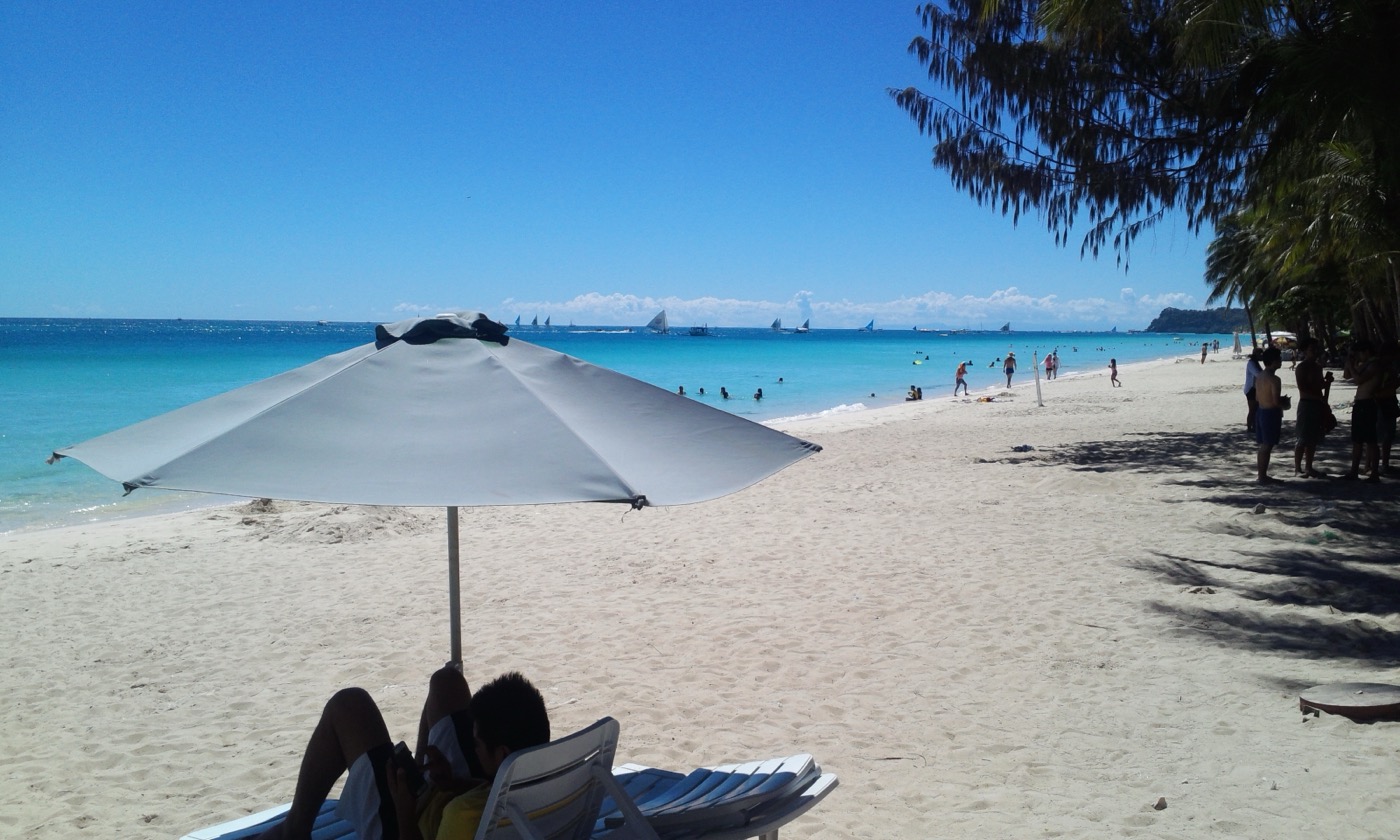
Where you base yourself in the Philippines fundamentally shapes your daily experience, internet speed, and monthly expenses. Here is a realistic, side-by-side monthly budget breakdown:
| Monthly Expense (USD) | BGC (Metro Manila) | Cebu IT Park (Cebu City) | Island Life (Boracay / Siargao) |
|---|---|---|---|
| Modern 1BR High-Rise Condo | $750 – $1,150 | $450 – $700 | $500 – $800 |
| Fiber Internet (200–500 Mbps) | $30 – $50 | $30 – $50 | $50 – $90 (Starlink / 4G) |
| Groceries & Local Markets | $300 – $450 | $200 – $320 | $220 – $350 |
| Dining Out & Cafes | $250 – $500 | $150 – $280 | $180 – $350 |
| Electricity & Air Conditioning | $100 – $220 | $70 – $140 | $60 – $130 |
| Grab Rides / Local Transport | $60 – $150 | $40 – $90 | $40 – $100 (Scooter rental) |
| Visa Extension Allocation | $30 – $90 | $30 – $75 | $25 – $55 |
| Realistic Total Monthly Burn | $1,520 – $2,610 USD | $970 – $1,555 USD | $1,075 – $1,875 USD |
🏙️ BGC (Bonifacio Global City)
Ultra-modern, pedestrian-only high streets, world-class gyms, zero overhead power cables, and St. Luke's Medical Center (one of Asia's finest JCI-accredited hospitals). Ideal for founders and high earners who want western amenities and vibrant networking.
💻 Cebu IT Park
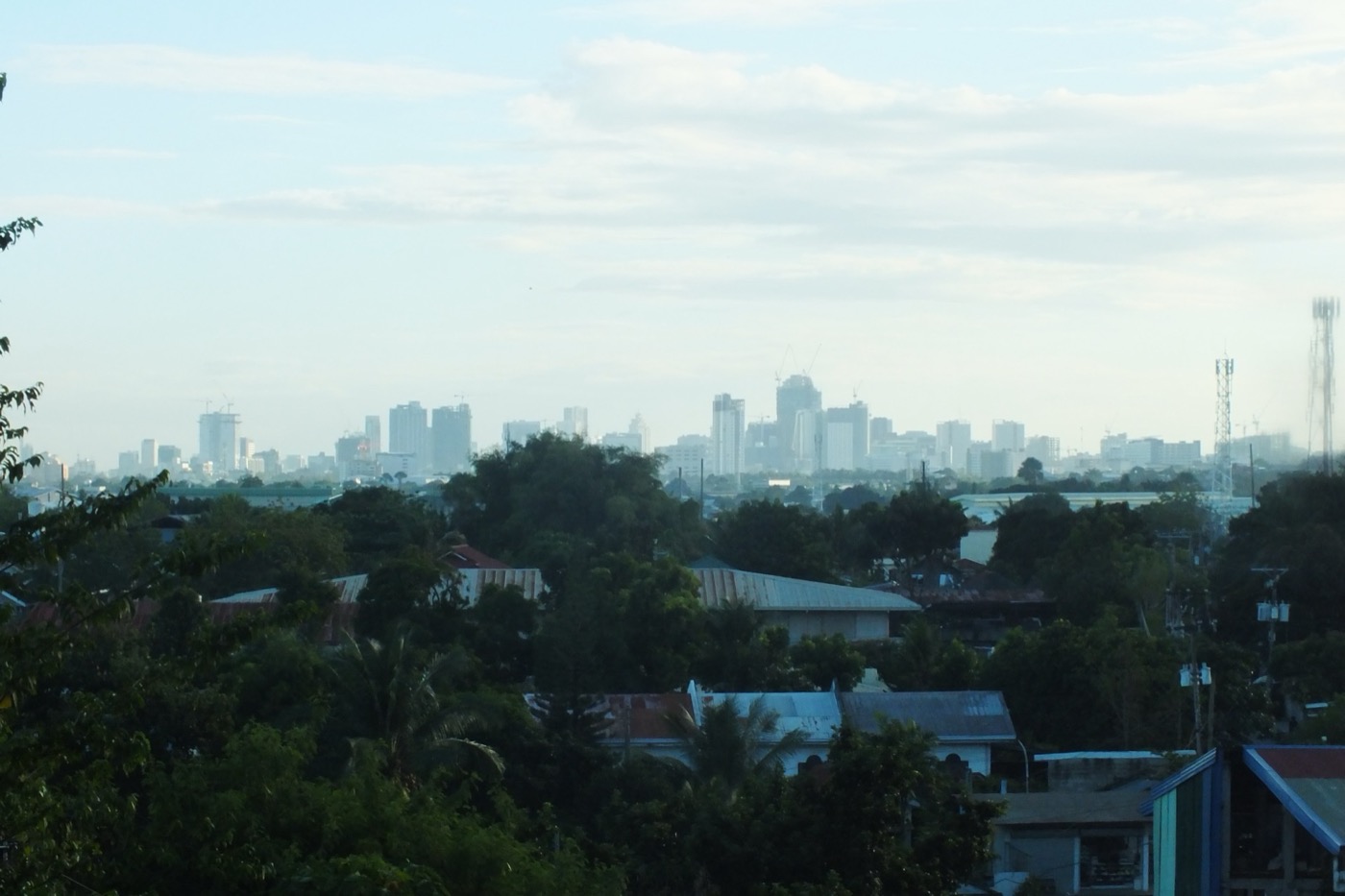
The tech heart of the south. Highly walkable cluster of modern glass towers, 24/7 food markets, excellent coworking spaces, and 45 minutes from international flights at Mactan-Cebu International Airport. Half the cost of Manila with weekend access to beaches and dive sites.
6. Banking, Healthcare & Everyday Life Essentials
1. Banking as a Foreigner
Opening a traditional bank account in the Philippines as a tourist used to be difficult, but having an ACR I-Card changes everything. Walk into a major branch of BPI (Bank of the Philippine Islands) or BDO (Banco de Oro) with:
- Your passport
- Your physical ACR I-Card
- A copy of your notarized condo lease agreement showing your local address
- Initial opening deposit (typically ₱2,000 to ₱10,000 PHP)
For day-to-day shopping, local street food, and convenience stores, download GCash or Maya. You can easily cash-in to these apps via 7-Eleven kiosks or directly from your international Wise account.
2. Private Healthcare & Hospitals
Healthcare in the Philippines is an unexpected highlight for expats: the country trains many of the world's top doctors and nurses. Private hospitals in Metro Manila and Cebu offer state-of-the-art facilities with English-speaking staff at a fraction of Western costs.
- Top Tier Hospitals: St. Luke's Medical Center (Global City & Quezon City), Makati Medical Center, The Medical City (Ortigas), and Chong Hua Hospital (Cebu).
- Recommended Insurance: International expat medical policies (such as Cigna Global, Allianz Care, or SafetyWing Nomad Health) provide direct-billing emergency inpatient cover. Local plans from Pacific Cross are also popular for comprehensive domestic coverage.
Frequently Asked Questions (FAQ)
How many times can I extend my tourist visa in the Philippines?
You can extend continuously for up to a total of 36 months (3 years) as a citizen of a non-visa-required country. You can apply for extensions in 1-month, 2-month, or 6-month increments.
Can I work on my laptop while staying on a tourist visa?
Yes. Performing remote work for offshore employers, foreign clients, and personal digital businesses does not breach Philippine immigration rules, provided you do not take local Philippine employment or sell goods/services directly to the domestic Philippine market.
What happens if I forget to get an ECC before leaving?
If you have stayed 6 months or longer and arrive at the airport without an Emigration Clearance Certificate (ECC-A), border officers will prevent you from clearing immigration, and you will miss your flight. Always apply at a Bureau of Immigration office 3 to 7 business days prior to departure.
Is the internet fast and reliable enough for remote software engineers?
In urban hubs like BGC, Makati, and Cebu IT Park, fiber internet from providers like PLDT and Converge regularly delivers 200 to 500 Mbps with low latency and 99%+ uptime. On tourist islands (Siargao, Boracay, Palawan), Starlink and backup 5G routers are recommended due to occasional grid brownouts.
🛡️ Verified Primary Sources & Official Repositories
🇵🇭 Official Philippine Government AuthoritiesAll visa extension rules, 36-month stay limits, territorial tax exemptions, and retirement programs are verified directly with official statutory authorities of the Republic of the Philippines:
Regulates the 36-month tourist stay framework, ACR I-Card biometrics, and ECC exit clearances.
Visit Portal ↗Enforces Section 23 of the National Internal Revenue Code (0% tax on foreign-sourced income for non-resident aliens).
Visit Portal ↗Issues the Special Resident Retiree's Visa (SRRV) and manages designated bank deposit trusts.
Visit Portal ↗Overseas consular information and bilateral entry waivers under Executive Order 408.
Visit Portal ↗🔗 Related Destination & Strategy Playbooks
Explore interconnected legal, healthcare, and tax frameworks across our global network:
Thailand DTV Playbook
5-Year DTV with 500,000 THB savings proof, 180-day extensions, and tax guidelines.
Malaysia Bootstrapper Playbook
DE Rantau Nomad Pass & 3% Labuan corporate tax entity structure.
Inpatriate Healthcare Traps
Provincial health cancellations (OHIP/MSP) and international medevac rules.
Expat Phone & 2FA Setup
Keep Canadian bank 2FA SMS and CRA logins active while living abroad.

Written by Kevin Jaewoong Jeong
Founder of Jeong Inc. Researches sovereign relocation, cross-border corporate architecture, and Southeast Asian residency frameworks.